The difference is not whether AI can write
General AI systems are excellent at language. They can explain concepts, rewrite methods sections and summarize text. For research workflows, the question is whether the AI is attached to the experiment.
If the model does not know the raw file, sample metadata, instrument settings, peak detection results, reference pattern and prior lab history, it has to infer too much from a short prompt.
Experimental research needs structured evidence
A materials researcher is not only asking for a paragraph. They are asking whether a phase assignment is credible, whether a peak is an impurity, whether a trend is systematic and what should be measured next.
Those questions require data structures: peak tables, residuals, figures, sample context, literature, reference patterns and prior experiments.
- Raw file parsing and metadata capture.
- Physics-aware analysis engines.
- Reference databases and literature context.
- Private lab memory and cross-run search.
The user experience should feel like research, not chat
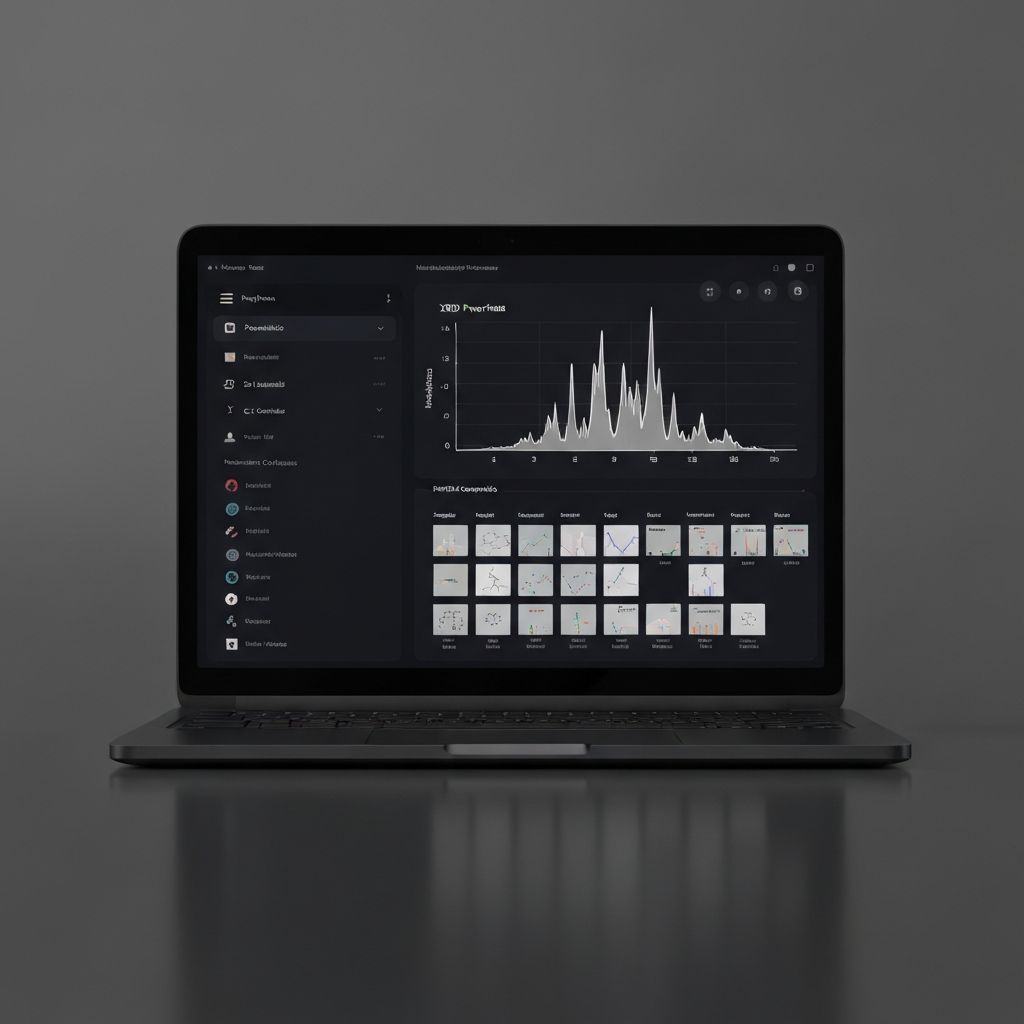
Chat remains useful, but the main workspace should let researchers see the figure, adjust analysis, inspect evidence, export results and ask questions without losing context.
That is the direction of SciPhys: a scientific workspace where AI is embedded inside data analysis and lab decision-making.