Newsroom

Product notes for experimental materials intelligence.

Follow SciPhys as the product evolves from instrument analysis into a broader workspace for lab memory, evidence and scientific decision-making.

Updates

New analysis workflows and public pages.

Guides

Practical explainers for XRD, lab data and AI research workflows.

Contact

Media, partnerships and early access: hello@sciphys.ai.

What it does

Built around scientific evidence.

Latest product themes

SciPhys is currently focused on evidence-based XRD analysis, lab metadata, student-first workflows, advisor data visibility and battery intelligence.

  • XRD evidence panels for matched and unmatched peaks.
  • Refinement outputs with residuals and parameter tables.
  • Public SEO pages for platform, XRD, lab data, battery and materials AI.

Research workflow notes

The newsroom will collect practical articles about phase identification, scientific data management, AI-assisted interpretation and publication-ready outputs.

  • XRD phase identification guide.
  • General AI versus experiment-grounded scientific AI.
  • How labs can build useful metadata without slowing students down.

Company resources

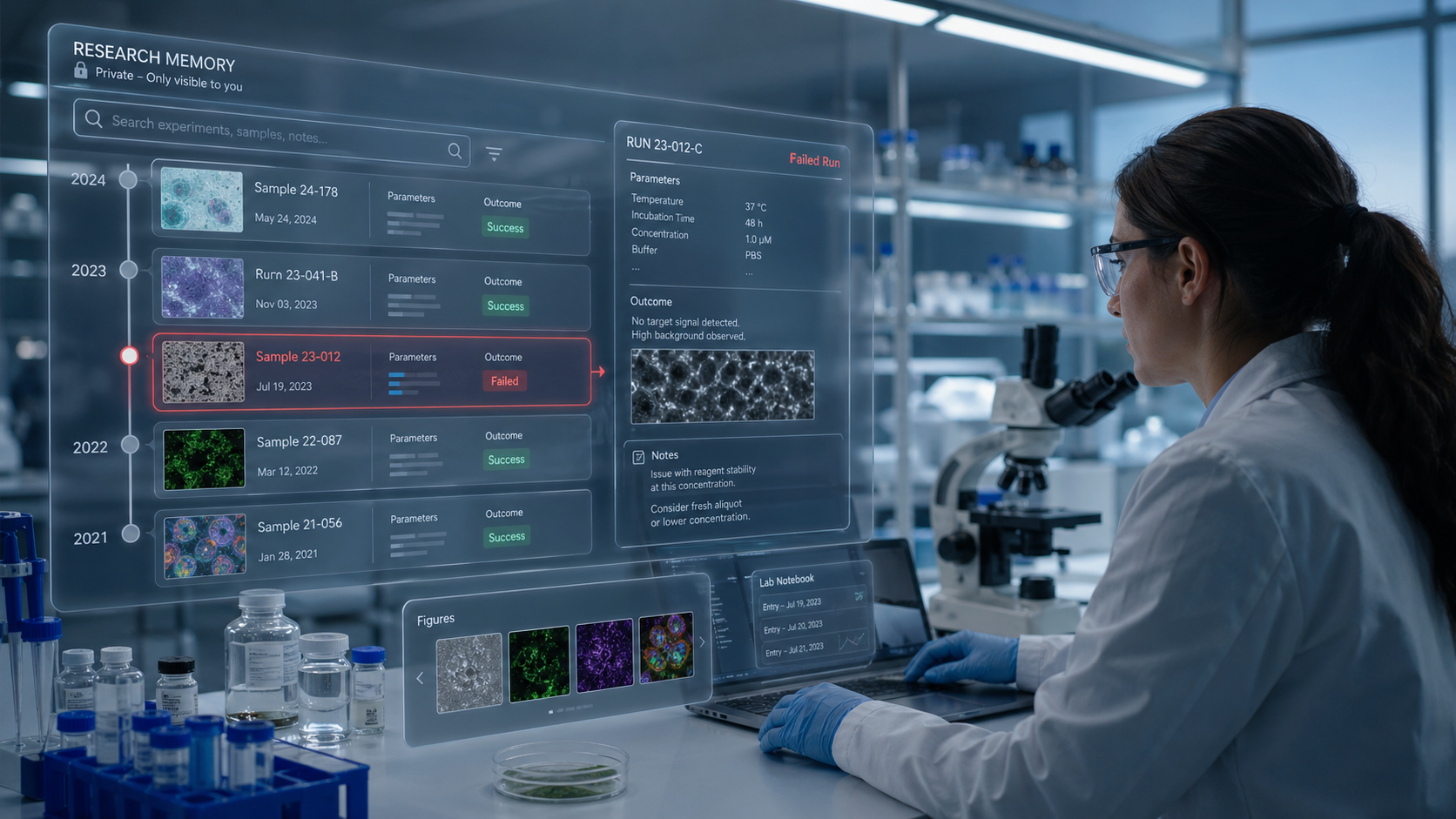
SciPhys is built for materials and physics researchers who want a tighter loop between data, analysis, interpretation and the next experiment.

  • Canonical domain: www.sciphys.com.
  • Product contact: hello@sciphys.ai.
  • Core tagline: AI-native workspace for materials and physics researchers.
Workflow

From raw files to research decisions.

01

Read

Browse public pages and research workflow guides.

02

Try

Open the workspace and upload experimental data.

03

Share

Send feedback from students, advisors and lab teams.

FAQ

Questions researchers ask first.

What will SciPhys publish in the newsroom?+

The newsroom will publish product updates, workflow notes, technical explainers and company resources.

Where should media or partners contact SciPhys?+

Please contact hello@sciphys.ai.

Does SciPhys publish technical guides?+

Yes. The public site includes guides such as XRD phase identification and experiment-grounded AI for research.