Lab data management

Turn student uploads into a searchable lab memory.

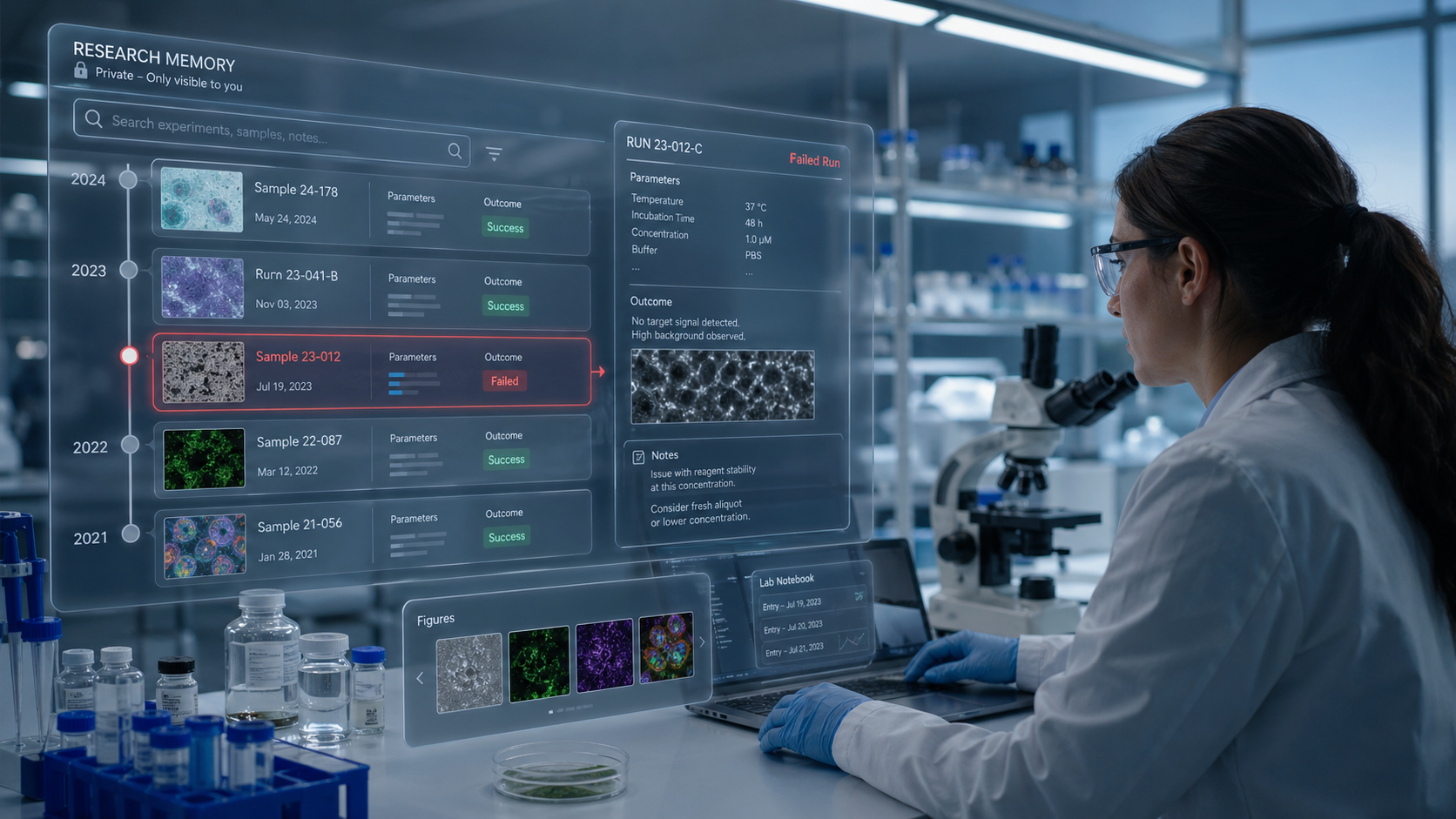
SciPhys helps labs preserve the context around every file: who measured it, what sample it came from, which project it belongs to and what the analysis concluded.

Students

Each researcher can manage their own data and reports.

Projects

Runs are grouped by project, material system and sample.

Advisors

Principal investigators can review progress across the group.

What it does

Built around scientific evidence.

Metadata is the asset

A raw file without context is hard to trust later. SciPhys makes sample, preparation, measurement and project fields part of the upload flow so the archive is useful after the week of measurement is over.

  • Record sample composition, preparation route, instrument and measurement details.
  • Keep analysis notes and versions attached to the original file.
  • Filter by student, project, sample system, instrument, date and keywords.

Advisor visibility without extra reporting overhead

The advisor view is designed around research questions, not administration. It surfaces missing metadata, unusual results, active projects and cross-run trends.

  • Ask natural language questions across the group archive.
  • Find repeated anomalies or systematic peak shifts.
  • Review student data without breaking the student workspace flow.

Designed for multi-data discovery

Once files share consistent metadata, SciPhys can compare runs across dopant ratio, annealing temperature, synthesis batch, instrument settings and time.

  • Compare related XRD, Raman, SEM and battery datasets.
  • Identify trends that are hard to see one file at a time.
  • Prepare data packages for papers and supplementary materials.
Workflow

From raw files to research decisions.

01

Organize

Create projects, samples and upload context.

02

Search

Filter or ask questions across runs and metadata.

03

Discover

Compare related experiments and find trend-level signals.

FAQ

Questions researchers ask first.

Can students use SciPhys without a lab?+

Yes. Students can start with a personal workspace and add lab organization later when they need shared review or group data management.

Can an advisor see all student data?+

The lab workspace is designed so advisors can view data across students, projects and samples while students still have their own working area.

Why is metadata important?+

Metadata makes experimental files searchable, comparable and reusable. It is the foundation for natural language search and multi-data analysis.